
Living in Downtown Livermore CA: Neighborhood Guide 2026
Downtown Livermore, CA: A Neighborhood Spotlight for 2026
Walk down First Street on a Tuesday morning and something has shifted. The coffee shops fill early. The tasting rooms open by noon, not two. The sidewalks feel wider, literally — the city has been quietly expanding them on Railroad Avenue for the past year — and there are more people using them. Downtown Livermore has been a work in progress for a long time, and in 2026, the progress is finally visible.
The median sale price for a Livermore home is around $990,000 per Redfin, with the downtown core commanding a walkability premium above that figure. Homes here sell in about 22 days on average, and well-priced listings regularly attract multiple offers.
What makes downtown Livermore its own thing
Livermore has a wine country identity that the rest of the Tri-Valley doesn't quite match. That shows up most clearly downtown. First Street isn't trying to be a tech corridor. It's not a suburban strip. The buildings are low and historic, the storefronts are owner-operated more often than not, and the rhythm of the neighborhood is weekday coffee and weekend tasting rather than the other way around.
The walkable core runs along First Street and Railroad Avenue — a tight grid of blocks that covers maybe eight square blocks at its densest. Trek Bicycle is on First. Uptown Girls Boutique is on First. Mornings on First is, predictably, on First. For a city of about 95,000 people, that's a compact and functional downtown, the kind you can actually complete a Saturday in without getting in your car.
Compared to Dublin to the west — which is younger, denser, and still mid-build on its own downtown identity — Livermore's core feels more settled. Compared to Danville to the north (more residential, more spread out), Livermore's downtown is genuinely walkable in a way that Danville's doesn't quite achieve. Different price points, different vibe, but the walkability edge belongs to Livermore's core.
What's being built right now
Three projects are reshaping the footprint of downtown simultaneously, which is unusual for a city this size.
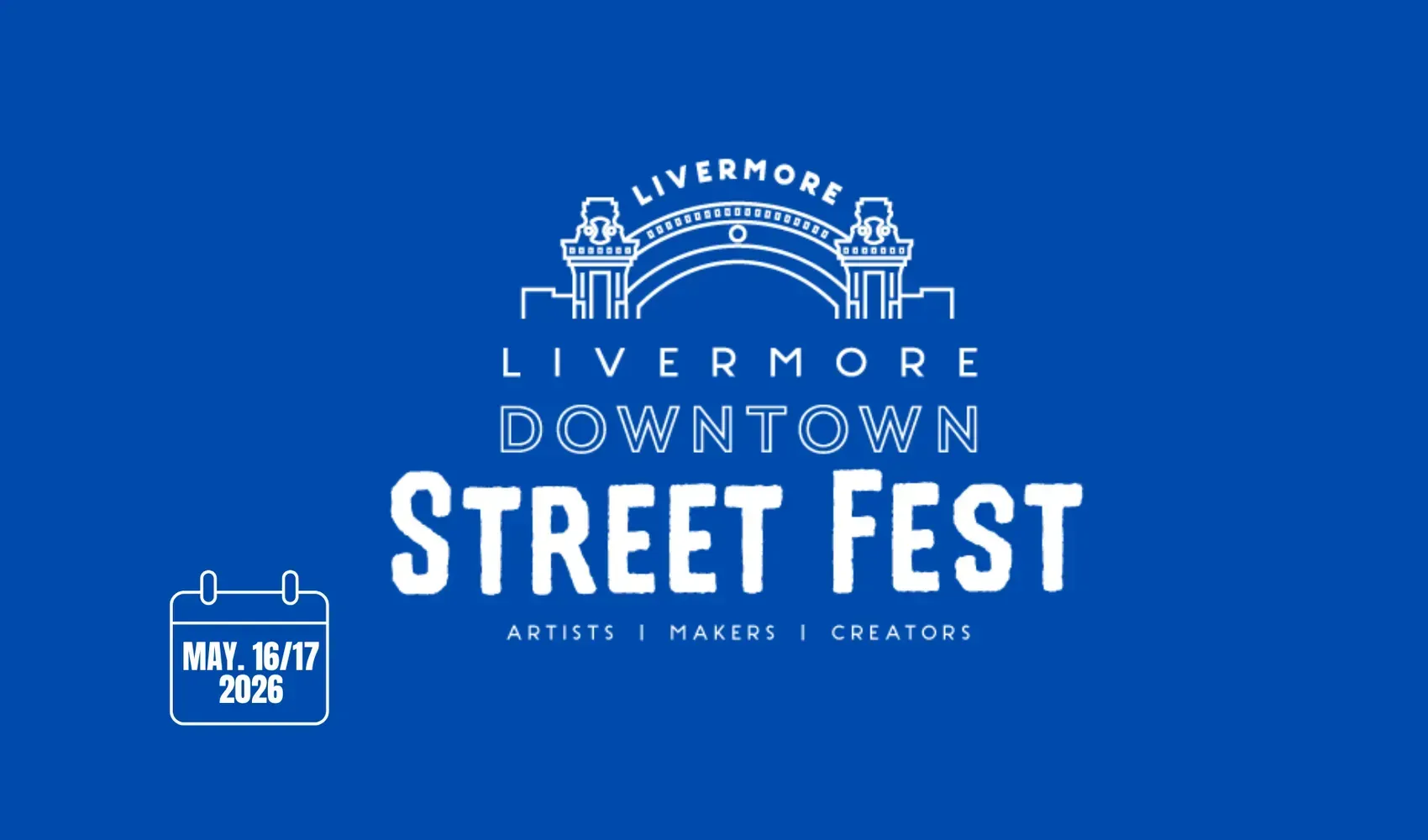
The Storehouse – New Provisions is scheduled to open fall 2026 at 2455 Railroad Ave, in the space that used to be Pennyweight Craft Brewing. The concept is a micro food hall — 6,600 square feet, indoor and outdoor vendors, pop-up space, open seating, live music. The developer, Ayana Retail Inc., is actively signing tenants: restaurants, a brewery or tap house, a craft cocktail program, boutique retail. If you know the Pennyweight spot, you know it has good bones — exposed brick, a corner location, the kind of space that fills up on a Friday night if the programming is right. A food hall there would anchor that block differently than a single-concept restaurant ever could.
The Downtown Livermore Apartments broke ground on May 18th at the corner of Railroad Avenue and L Street — a parking lot that's been sitting there longer than most locals care to remember. Two four-story buildings, 130 units total, one- to three-bedrooms, and income-restricted for households earning between 20 and 60 percent of the Alameda County area median income. It won't be finished until October 2028. But a 130-unit residential project in the middle of downtown changes the density equation — more neighbors, more foot traffic, more reason for the restaurants and retail around it to stay full on weekday evenings.
The Railroad Avenue streetscape is the one you'll notice if you drive through right now. The city is widening the road between the Livermore Valley Parking Garage and K Street, adding landscaped medians, replacing the sewer, upgrading traffic signals, and resurfacing the whole thing. It's disruptive in the short term and genuinely transformative over a two-year horizon. Wider sidewalks and tree medians on Railroad change how that street feels to walk — from a back-of-downtown service road to something that connects.
And on the smaller end: the alleyway next to Mornings on First is getting concrete pavers and lights as part of the Livermore Village infrastructure project. Design wraps in June, construction starts in July. A lit, paved alley off First Street is the kind of detail that sounds minor until you're walking it at 8 PM and it works.
The food and drink scene, for context
Downtown Livermore's tasting room density is the highest of any walkable urban core in the East Bay. That's not a marketing line — it reflects the fact that Livermore Valley is an actual AVA with actual wineries, and those wineries have opened downtown outposts within a few blocks of each other on First Street and its cross streets. You can do a tasting circuit without moving your car, which is the point.
On the restaurant side: MEZALMOKA opened at 1116 East Stanley Boulevard in late 2025, taking over the old Huckleberry's spot with a Mediterranean concept that's been well-received locally. And the incoming Storehouse food hall would add four to six additional concepts by fall, depending on how leasing goes.
It's not San Francisco. It's a downtown that serves about 95,000 people, not 900,000. But for what it is — a Tri-Valley city with wine country bones — the food and drink options are genuinely good and getting better.
What the housing actually looks like here
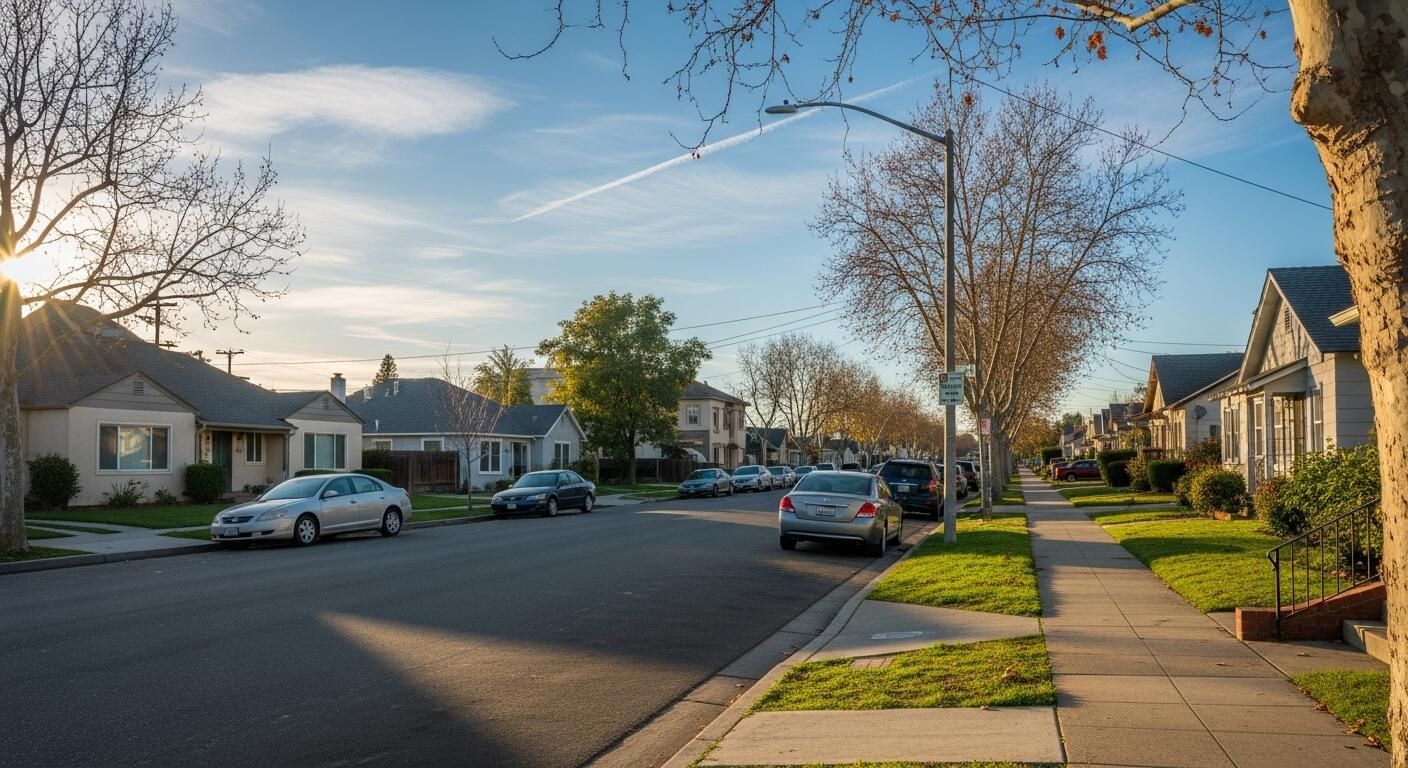
Downtown Livermore skews toward older single-family homes on tighter lots, with some infill condos and townhomes mixed in. The homes closest to First Street — within a half-mile — are a mix of craftsman bungalows, mid-century ranches, and newer attached product. Square footage tends to run smaller than the suburban tracts you'd find out in the Springtown or South Livermore areas, and prices per square foot reflect the walkability premium.
Buyers who want a two-car garage and a big backyard usually end up looking elsewhere. Buyers who want to walk to dinner on a Wednesday without thinking about it, and be 20 minutes from the vineyards on Saturday — downtown fits. The trade-off is explicit, and most of the people who buy here have made it deliberately.
The overall Livermore market is sitting at a 84 out of 100 on Redfin's Compete Score. Homes sell in about 22 days on average, and hot listings — priced well, presented well — are going in under eight days with multiple offers, sometimes two percent above list. That's not a buyer's market. It's not a frenzied seller's market either. It's competitive in the way that most well-positioned Tri-Valley neighborhoods have been for the past several years.
Who ends up downtown
It's a mix. Younger buyers who don't want a long commute to the BART connection at Livermore Station. Empty nesters who have sold the bigger house in the suburbs and want something they can lock and leave. Remote workers who want walkability during the week and wine country access on weekends. The mix produces a neighborhood that feels active without feeling chaotic — occupied, not overrun.
The schools in the immediate downtown area are part of Livermore Valley Joint Unified, one of the stronger public school districts in Alameda County. Families do buy here, particularly when they find a larger single-family home on one of the quieter cross streets.
If you're thinking about buying or selling here
The development pipeline matters. Three concurrent projects in a downtown this size is unusual, and the impact tends to compound: a food hall draws foot traffic that benefits the boutiques, the new apartments add density that benefits the restaurants, the streetscape improvements make all of it more pleasant to navigate. That kind of simultaneous investment is a signal worth paying attention to if you're thinking about where values trend over the next three to five years.
If you want to search Livermore homes for sale, I'd start with a half-mile radius around Railroad and First and work out from there. If you already own downtown and you're curious what your Livermore home is worth right now, the comp picture has shifted enough in the last six months to be worth a fresh look.
No pressure, no form to fill out. Message me directly and we'll talk through it.
Frequently asked questions about downtown Livermore, CA
What is downtown Livermore known for? Downtown Livermore is known for its concentration of wine tasting rooms along First Street — more per walkable block than anywhere else in the East Bay — plus a compact historic retail district, community events, and proximity to the Livermore Valley wine country. The neighborhood is currently in the middle of a multi-project revitalization that includes a new micro food hall, a major streetscape upgrade on Railroad Avenue, and a 130-unit residential development.
Is downtown Livermore walkable? Yes. The core along First Street and Railroad Avenue is genuinely walkable, with coffee, dining, tasting rooms, boutique retail, and the farmers market all within a few blocks of each other. Redfin and local walk score data consistently rate the core neighborhood above 70, which is high for the East Bay outside of major urban centers.
What are home prices like in downtown Livermore CA? Livermore's citywide median sale price is around $990,000 per Redfin as of spring 2026. Homes in the walkable downtown core typically carry a per-square-foot premium over the city median, given proximity to First Street amenities. The market is competitive, with an average of 22 days on market and multiple-offer scenarios common on well-priced listings.
What new development is happening in downtown Livermore in 2026? Three major projects are underway simultaneously: The Storehouse – New Provisions (a micro food hall at 2455 Railroad Ave, opening fall 2026), the Downtown Livermore Apartments (130 affordable units breaking ground at Railroad Ave and L Street, completing October 2028), and Railroad Avenue streetscape improvements including wider sidewalks, landscaped medians, and signal upgrades.
Is downtown Livermore a good place to buy a home? It depends on what you're optimizing for. If walkability, wine country access, and a neighborhood that's actively investing in itself matter to you — yes. The trade-off is typically smaller lots and less garage space than the outer suburban neighborhoods. The development pipeline (food hall, apartments, streetscape) is the kind of multi-year investment that tends to support values in the surrounding blocks over time.
Contact Cooper Eisenmann for any questions about moving to or from Livermore or Pleasanton
Cooper Eisenmann | Keller Williams
cooper@theagentcooper.com
650-922-7583
#01994816